
Masoncrete Builders ·
How to Protect Concrete from Salt and Freeze-Thaw Damage
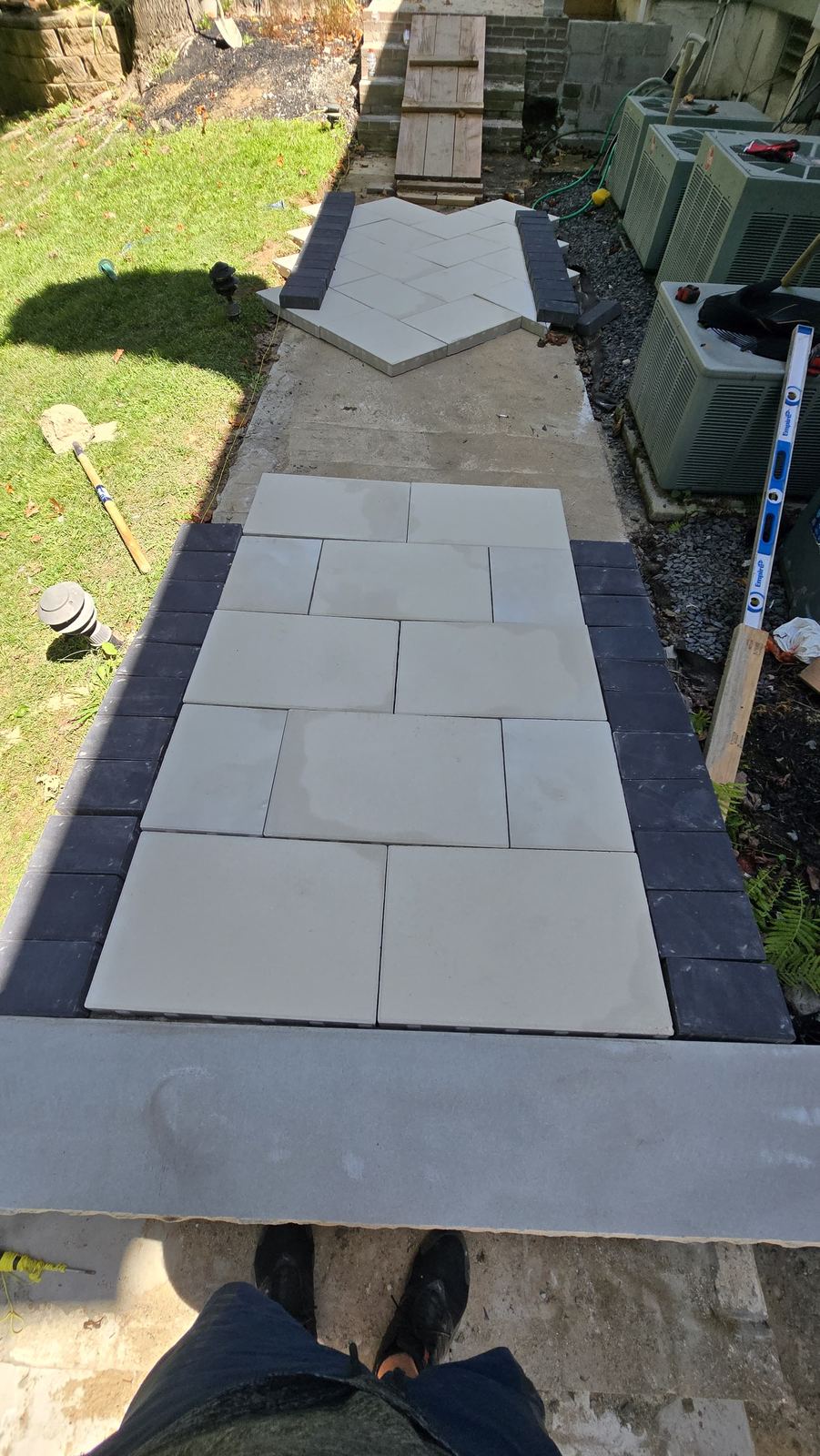
Long Island winters are hard on concrete. Snow melts during the day, the water soaks into the surface, it freezes again overnight and expands, and every cycle works at the concrete a little more. Add de-icing salt, and you get the flaking, pitting and crumbling edges we see on so many driveways, walks and steps each spring. The good news is that a few habits go a long way.
1. Seal your concrete
A quality sealer reduces how much water and salt brine can soak into the surface. Sealing is especially important for stamped concrete, where the sealer also protects the color, and for driveways, which take the most salt from cars. Apply sealer in dry, mild weather, before winter, and reapply on the schedule the product calls for.
2. Go easy on de-icers
- New concrete: avoid de-icing salts during the first winter. Use sand for traction.
- Older concrete: use the least amount of de-icer that does the job, and shovel first so you need less of it.
- Read labels. Some de-icing products are much harsher on concrete than others, and some fertilizers can also damage concrete surfaces.
3. Shovel early and carefully
Removing snow before it is packed down and melts means less water soaking into the surface. Use a plastic shovel or a blade with a rubber edge, especially on stamped concrete and pavers, and ask your plow service to raise their blade slightly.
4. Keep water moving
Standing water is the enemy. Make sure downspouts discharge away from walks and driveways, and keep areaway and driveway drains clear of leaves before winter. If water keeps pooling in the same spot, the surface may need to be re-pitched; see concrete repair. Below-grade stairwells are a common trouble spot; our basement entrance project shows how a new floor pitched to a drain fixes it.
5. Fix small cracks before winter
A small crack lets water in, and freezing water widens it. Addressing cracks and failing joints in the fall prevents much bigger repairs in spring.
6. Rinse in spring
Once the season is over, rinse salt residue off driveways, walks and steps, then inspect for any flaking or new cracks.
Built right from the start
The best protection starts at installation: a properly compacted base, the right pitch, control joints in the right places, a proper cure and a sealer where appropriate. That is how Masoncrete Builders builds driveways, walkways and steps across Suffolk County. If winter has already taken a toll, request a free estimate and we will tell you whether repair or replacement makes more sense.