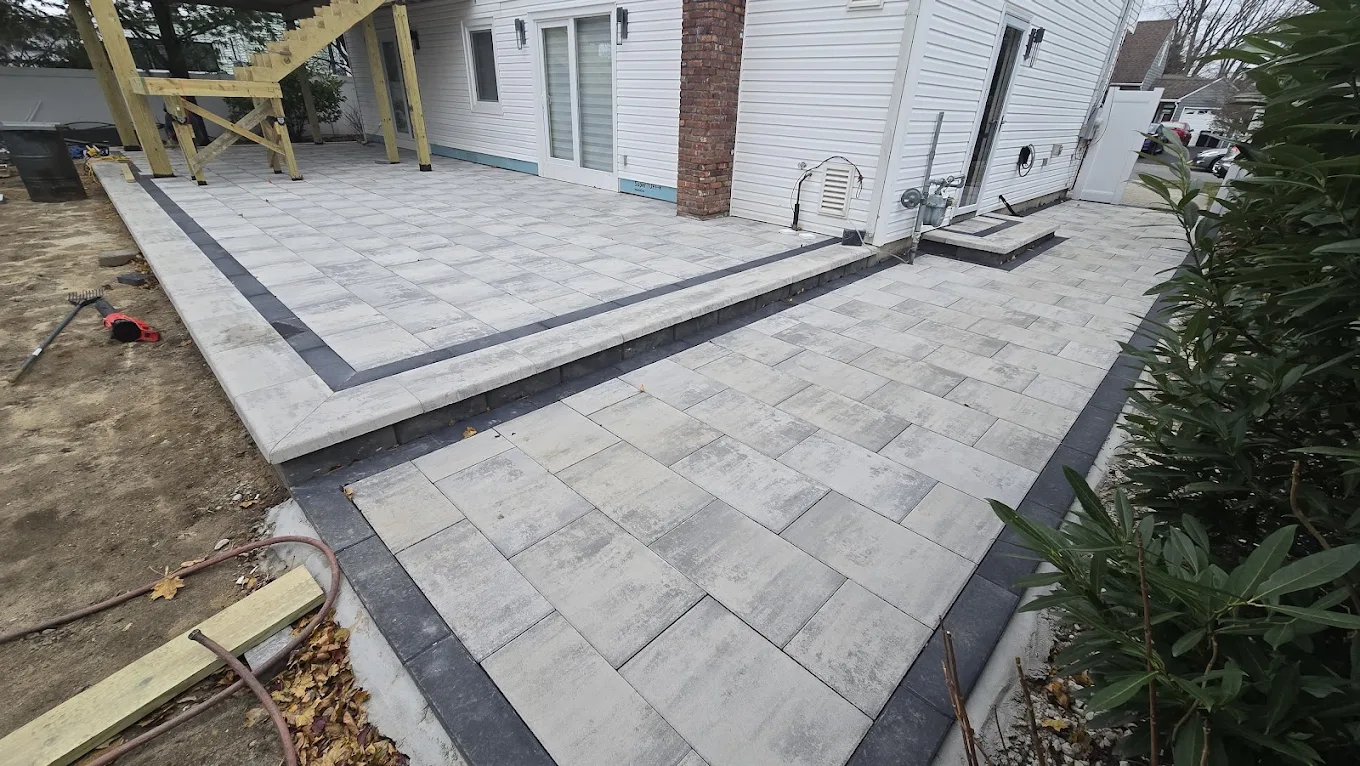
From Blueprint to Reality: Concrete's Role in Successful Architectural Designs Apr 24, 2026
Concrete, often perceived as a mundane building material, is a cornerstone of modern architecture. Its significance extends far beyond mere construction; it forms the backbone of innovative and sustainable design. As cities continue to evolve, concrete's adaptability ensures it meets the demands of both aesthetic aspirations and functional requirements.
At the heart of any architectural design is the blueprint, an intricate plan that lays the groundwork for development. Concrete, with its unrivaled mix of strength and moldability, enables these blueprints to transition seamlessly from theoretical applications into stunning three-dimensional realities. Whether crafting intricate details or constructing monumental structures, concrete provides the necessary robustness and flexibility that help sustain architectural integrity and create resilient buildings that stand the test of time.
One of concrete's standout features is its adaptability. Architects and builders appreciate its capability to be formed into an array of shapes, patterns, and textures. This versatility allows Masoncrete Builders to customize elements that mirror each client's unique vision, offering bespoke solutions that enhance aesthetic appeal without compromising structural soundness. From sleek modern facades to rustic, textured finishes, concrete can emulate nearly any design concept, making it an ideal choice for a variety of architectural styles.
Moreover, concrete is known for its sustainability and energy efficiency. As environmental concerns climb the priority ladder in architectural planning, concrete stands out as an eco-friendly option. It acts as a thermal mass, helping regulate indoor temperatures, which leads to reduced heating and cooling costs. Additionally, using locally sourced materials for concrete production minimizes transportation emissions and supports the local economy, aligning with sustainable building practices that are crucial for reducing the carbon footprint of construction projects.
Concrete's contribution to architectural acoustics is another crucial aspect. Its dense nature provides effective sound insulation, ensuring that residential and commercial spaces maintain appropriate noise levels. This attribute is particularly important in urban environments, where controlling sound pollution enhances living and working conditions.
Security and safety are also paramount in architectural designs, and here, concrete’s fire-resistant properties are invaluable. Unlike other materials, concrete does not emit toxic fumes when exposed to fire, and its slow degradation rate provides essential exit time during an emergency, adding a layer of safety in building design.
In conclusion, Masoncrete Builders recognizes the indispensable role concrete plays in transforming architectural blueprints into reality. Its unmatched strength, versatility, and sustainability make it a preferred choice in the construction industry. By leveraging concrete's inherent benefits, Masoncrete Builders is able to uphold quality and innovation, ensuring that each architectural endeavor is not only striking in its appearance but also robust in its execution. This commitment to bringing vision to life through the enduring power of concrete sets the foundation for Masoncrete Builders' success and the realization of diverse architectural aspirations.
/filters:no_upscale()/filters:format(webp)/media/480a5a1e-caab-4af7-a968-175fa25851b4.webp)